
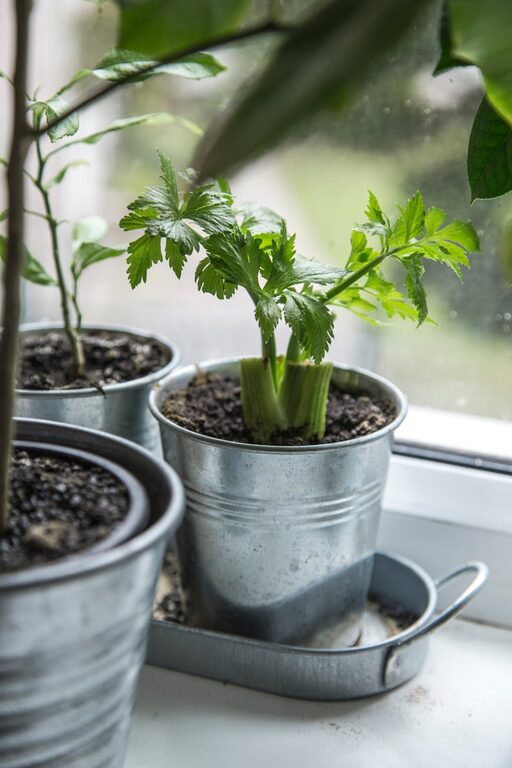
Starting a small herb garden indoors is a rewarding and practical way to bring fresh flavors into your kitchen while brightening your living space. Whether you have a spacious home or just a sunny windowsill, growing herbs indoors is achievable with the right approach. This guide will walk you through everything you need to know to get your indoor herb garden started and thriving.
Why Grow Herbs Indoors?
Growing herbs indoors offers several benefits:
– Fresh, aromatic herbs available anytime
– Convenient for cooking and garnishing meals
– Adds greenery and life to your home environment
– Requires limited space compared to outdoor gardening
Herbs are typically easy to grow and maintain, making them an ideal choice for beginners and experienced gardeners alike.
Choosing the Right Herbs for Indoor Gardening
Not all herbs thrive indoors equally well. When selecting herbs to grow inside, consider these popular, low-maintenance options:
– Basil: Loves warmth and sunlight; perfect for Mediterranean dishes.
– Parsley: Hardy with moderate light needs; great for garnish and flavor.
– Mint: Vigorous grower; good for teas and cocktails (best kept in a separate pot).
– Chives: Requires moderate sunlight; adds a mild onion flavor.
– Thyme: Prefers bright light and well-drained soil.
– Cilantro: Needs cooler temperatures and indirect sunlight.
– Oregano: Hardy and needs lots of sunlight.
When starting out, pick two or three herbs that you frequently use in your cooking and that have similar light and water requirements for easier care.
Selecting Containers and Potting Soil
Containers
Almost any container can work for an indoor herb garden, but keep these points in mind:
– Drainage: Ensure pots have drainage holes to prevent waterlogging.
– Size: Choose containers that are at least 4-6 inches deep to allow roots to grow.
– Material: Terra cotta, ceramic, plastic, or metal pots are common choices. Terra cotta is porous and good for herbs that prefer drier soil.
Self-watering pots can simplify watering routines but aren’t necessary for a small herb garden.
Soil
Use a good quality, well-draining potting mix instead of garden soil. Look for a mix labeled for indoor plants or herbs that contains ingredients such as peat moss, vermiculite, or perlite to improve aeration and drainage.
Finding the Best Location and Lighting
Herbs need plenty of natural light to grow well indoors—typically 6-8 hours of direct or bright indirect sunlight daily.
– South or Southwest-facing window is ideal for most herbs.
– If natural light is limited, consider using a grow light. LED or fluorescent grow lights are energy-efficient options that provide the right light spectrum for plant growth.
– Rotate your herbs every few days to ensure even exposure to light.
Too little light can cause leggy, weak growth and reduced flavor development.
Planting Your Herb Garden
You can start your herbs by:
– Seeds: Economical and rewarding but requires patience and proper care.
– Seedlings or Starter Plants: Quicker results, widely available at garden centers or online.
Steps for Planting
- Fill your container with potting mix, leaving about an inch of space at the top.
- For seeds, follow the packet instructions regarding depth and spacing. Lightly water the soil to keep it moist.
- For seedlings, gently loosen roots and plant at the same depth they were in their nursery pots.
- Water thoroughly but don’t oversaturate the soil.
Caring for Your Indoor Herb Garden
Watering
– Water when the top inch of soil feels dry but avoid letting herbs sit in standing water.
– Most herbs prefer evenly moist soil but not wet.
– Be mindful that overwatering is a common cause of root rot.
Feeding
– Use a balanced, water-soluble fertilizer once a month during the growing season (spring and summer).
– Avoid excessive fertilizer as it can reduce herb flavor.
Pruning and Harvesting
– Regularly pinch or trim your herbs to encourage bushier growth and prevent flowering, which reduces leaf flavor.
– Harvest leaves by cutting the outer stems first, promoting new growth from the center.
– Harvest in the morning for best flavor.
Humidity and Temperature
– Most herbs prefer room temperatures between 65-75°F (18-24°C).
– Indoor air can be dry, so mist herbs occasionally or place a tray of water nearby to increase humidity.
Troubleshooting Common Issues
– Leggy plants: Usually a sign of insufficient light. Move herbs to a brighter spot or add grow lights.
– Yellowing leaves: Could indicate overwatering or nutrient deficiency.
– Pests: Occasionally, aphids or spider mites may appear. Wipe leaves gently with a damp cloth or use insecticidal soap if needed.
Additional Tips for Success
– Group herbs with similar care needs together.
– Label your plants so you remember what you’ve planted.
– Clean and disinfect pots before reusing to prevent disease.
– Rotate your herbs for even growth and flavor.
Conclusion
Starting a small herb garden indoors is a straightforward and enjoyable project that yields fresh herbs for your meals and enhances your living space. With the right herbs, containers, lighting, and care, you’ll soon be enjoying the fruits of your own little indoor garden no matter the season.
Happy gardening!