
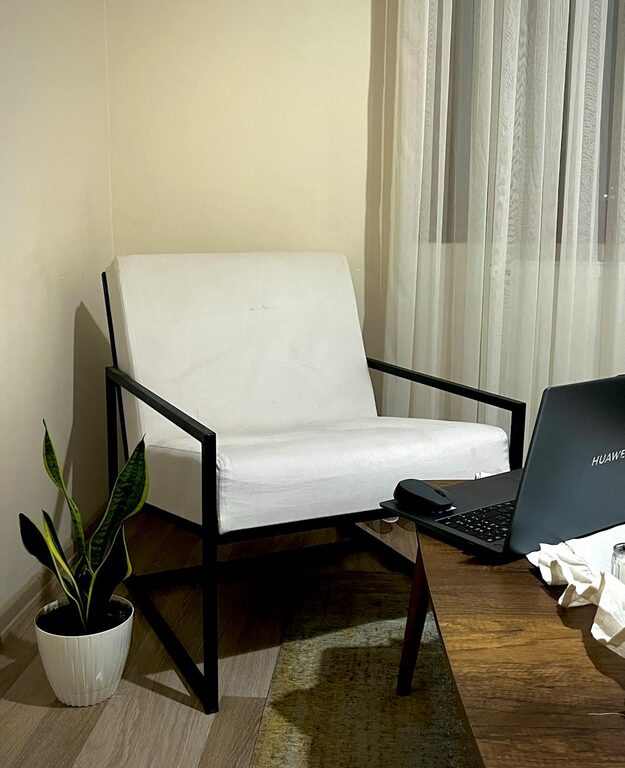
Taking a day off at home can be one of the best ways to unwind and recharge. But without a bit of planning, a day off can quickly feel wasted or stressful. To get the most out of your restful day, it helps to be intentional about how you spend your time. In this post, we’ll walk through how to plan a rejuvenating day at home that leaves you feeling calm and revitalized.
Why Plan Your Day Off?
Often, when we have time off, we fill it with chores, errands, or screen time that doesn’t truly refresh us. Without structure, relaxation can slip away. Planning your day allows you to prioritize activities that promote wellness, reduce stress, and help you rest both body and mind.
Step 1: Set a Relaxed Wake-Up Time
Give yourself permission to sleep in if needed, but try to avoid oversleeping, which can lead to grogginess. Set a wake-up time that feels natural and allows you to start your day without rushing. Avoid hitting the snooze button multiple times—getting up gently can improve your mood.
Step 2: Create a Comfortable Environment
Your surroundings can impact how restful your day feels. Spend a little time tidying up your space so it’s calm and inviting. Consider:
– Opening windows for fresh air
– Lighting candles or using essential oils like lavender
– Playing soft background music or nature sounds
– Choosing cozy clothes or pajamas that make you feel comfortable
Step 3: Plan Nourishing Meals
Eating well supports your energy and mood. Plan simple, wholesome meals or snacks ahead of time so you don’t have to stress about cooking.
– Prepare a light breakfast like oatmeal, fruit, or yogurt
– Make a lunch that’s easy but satisfying, such as a salad or sandwich
– Consider herbal tea or a smoothie as a relaxing drink option
– Avoid heavy or overly processed foods that might leave you feeling sluggish
Step 4: Set Intentions for Your Day Off
Take a few minutes in the morning to decide what you want from this day. Your intentions might include:
– Resting your body with naps or gentle stretching
– Practicing mindfulness or meditation
– Enjoying a hobby or creative project
– Reading a book or watching a favorite movie
– Disconnecting from work email and social media
Writing down your intentions helps you stay focused on your restful goals.
Step 5: Incorporate Gentle Movement
While resting is important, light movement can enhance relaxation by reducing tension and boosting mood. Consider:
– A short walk outside in nature
– Gentle yoga or stretching routines
– Simple breathing exercises
– Tai chi or meditation walks
Choose what feels good for your body without pushing yourself.
Step 6: Limit Screen Time
Screens can be both a source of relaxation and stress. Try to moderate your use by:
– Setting specific times for checking your phone or computer
– Avoiding work emails or news during your day off
– Using apps or settings that reduce blue light and eye strain
– Engaging more in offline activities, like reading or crafts
This break from screens can help calm your mind.
Step 7: Enjoy a Favorite Relaxation Activity
Take time to do something you love that soothes you. This could be:
– Reading your favorite novel
– Listening to calming music or a podcast
– Taking a warm bath with Epsom salts
– Journaling your thoughts and feelings
– Practicing a creative hobby like drawing, knitting, or cooking
These moments contribute to a sense of well-being.
Step 8: Prepare for a Restful Evening
End your day with a relaxing nighttime routine to ensure quality sleep.
– Dim the lights and avoid stimulating activities an hour before bed
– Sip on calming herbal tea like chamomile
– Practice gentle stretches or breathing exercises
– Avoid caffeine and heavy meals late in the day
– Create a comfortable sleep environment with cool temperature and dark curtains
A restful night is the perfect finish to your day off.
Bonus Tips for a Successful Restful Day Off
– Let others know you’re taking a day for yourself—limit interruptions
– Keep a journal or log of how you feel throughout the day to track what helps you relax
– Avoid scheduling anything mandatory or stressful
– Stay flexible; if your plan changes, gently adjust without guilt
Final Thoughts
Planning a restful day off at home is a gift you can give yourself regularly. By setting simple intentions, creating a soothing environment, and choosing activities that promote relaxation, you can deepen your rest and return to your routine feeling refreshed. Try out these steps on your next day off and notice the difference it makes.
Remember, relaxation isn’t just about doing nothing—it’s about doing what truly restores you. Enjoy your peaceful, rejuvenating day!