
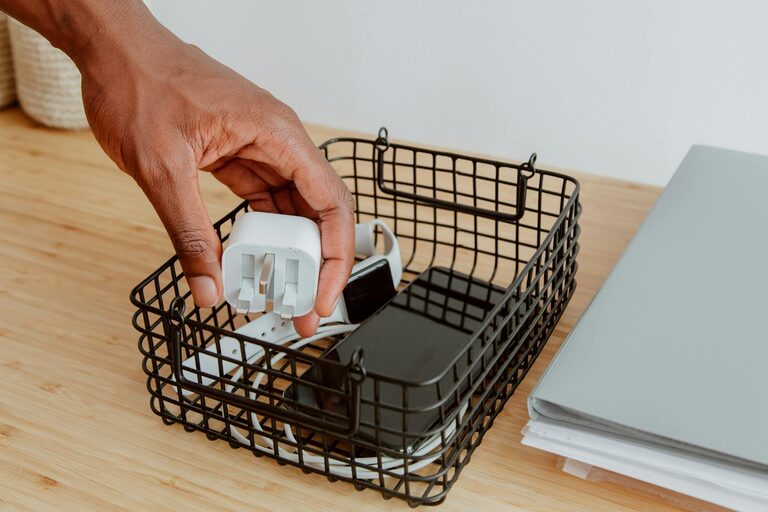
Keeping cables and chargers organized can feel like a never-ending challenge. With so many devices in our daily lives—phones, laptops, tablets, headphones—it’s easy for cords to become tangled, misplaced, or damaged. A cluttered space not only looks messy but can also lead to frustration when you need a charger in a hurry. Fortunately, organizing your cables and chargers need not be complicated or expensive. In this post, we’ll explore simple yet effective strategies for keeping your cords neat, accessible, and in good condition.
Why Organizing Cables Matters
Before diving into tips, let’s consider why cable organization is beneficial:
– Saves time: No more hunting for the right charger or untangling cords.
– Prevents damage: Proper storage reduces wear and tear on cables.
– Improves safety: Avoids tripping hazards and keeps cables away from pets or children.
– Enhances aesthetics: Creates a cleaner, more pleasant workspace or living area.
Now, let’s explore some practical ways to tame your cables.
Step 1: Gather and Sort Your Cables
Start by collecting all your cables and chargers in one place. This could be a drawer, box, or even on your desk. Once together, group them into categories such as:
– Phone chargers
– Laptop power cords
– USB cables
– Audio cables
– Power strips and extension cords
This sorting process will give you a clear picture of what you have and help determine storage needs.
Tips for Sorting
– Discard any cables that are damaged or no longer compatible.
– Untangle cables carefully to avoid breaking wires.
– Consider labeling each cable type or device for easy identification.
Step 2: Choose the Right Storage Solutions
With your cables sorted, select storage methods that suit your space and lifestyle. Here are common options:
Cable Organizers and Holders
– Cable clips: Small adhesive clips stick to desks or walls and hold cables in place.
– Cable boxes: Enclosed boxes hide power strips and excess cable length.
– Cable sleeves: Flexible tubing bundles multiple cables neatly.
– Cable ties and Velcro straps: Reusable ties keep cables coiled and secure.
DIY and Household Items
– Toilet paper rolls: Use these as small cable holders by placing coiled cables inside.
– Muffin tins or ice cube trays: Great for separating and storing small chargers and cables.
– Drawer dividers: Keep cables separated and prevent tangling inside drawers.
– Old sunglasses cases or pencil boxes: Protect delicate cables and chargers during travel.
Step 3: Implement Cable Management Techniques
How you wrap and store your cables affects longevity and accessibility. Here are some methods to consider:
Proper Cable Wrapping
– Use the over-under technique when coiling cables to avoid twisting wires.
– Avoid wrapping cables too tightly; gentle loops preserve internal wiring.
– Secure each cable with a Velcro strap or reusable tie after coiling.
Label Your Cables
Labels help quickly identify which cable belongs to what device. Options include:
– Printed labels
– Color-coded tape or bands
– Handwritten tags on masking tape
Labeling is especially useful when cables are stored in boxes or drawers.
Step 4: Keep Chargers and Cables Ready to Use
Occasionally, you’ll want some chargers or cables easily available for daily use. Strategies for this include:
– Designate a charging station: A specific spot with power outlets, a cable organizer, and charging devices.
– Use a multi-port charger: Reduces the number of individual power bricks and cables.
– Mount charging pads: Stick wireless chargers or cable holders on the wall or desk.
Keeping frequently used chargers in one place reduces clutter around your workspace.
Step 5: Maintain Your Cable Organization Regularly
Organizing cables isn’t a one-time task. To keep things neat:
– Schedule a monthly or quarterly tidy-up.
– Check for damaged cables and replace if needed.
– Reassess storage solutions as devices and cables change.
– Remove cables for devices you no longer use.
Regular maintenance keeps your cable organization system working smoothly and prevents clutter buildup.
Bonus Tips for Cable Care
– Avoid bending cables sharply near connectors, as it leads to fraying.
– Store cables in a dry, cool place to avoid damage from humidity or heat.
– Use cable protectors for cables that are frequently plugged and unplugged.
Final Thoughts
Cable organization can seem overwhelming at first, but with a methodical approach and the right tools, it’s easily manageable. From sorting and labeling to choosing smart storage solutions, these steps help create a neat, functional space. Whether it’s for your home office, entertainment setup, or travel bag, organized cables mean less stress and more convenience.
Try out some of these tips today and enjoy a clutter-free space tomorrow!